Call Us Now
 e-Mail Us Now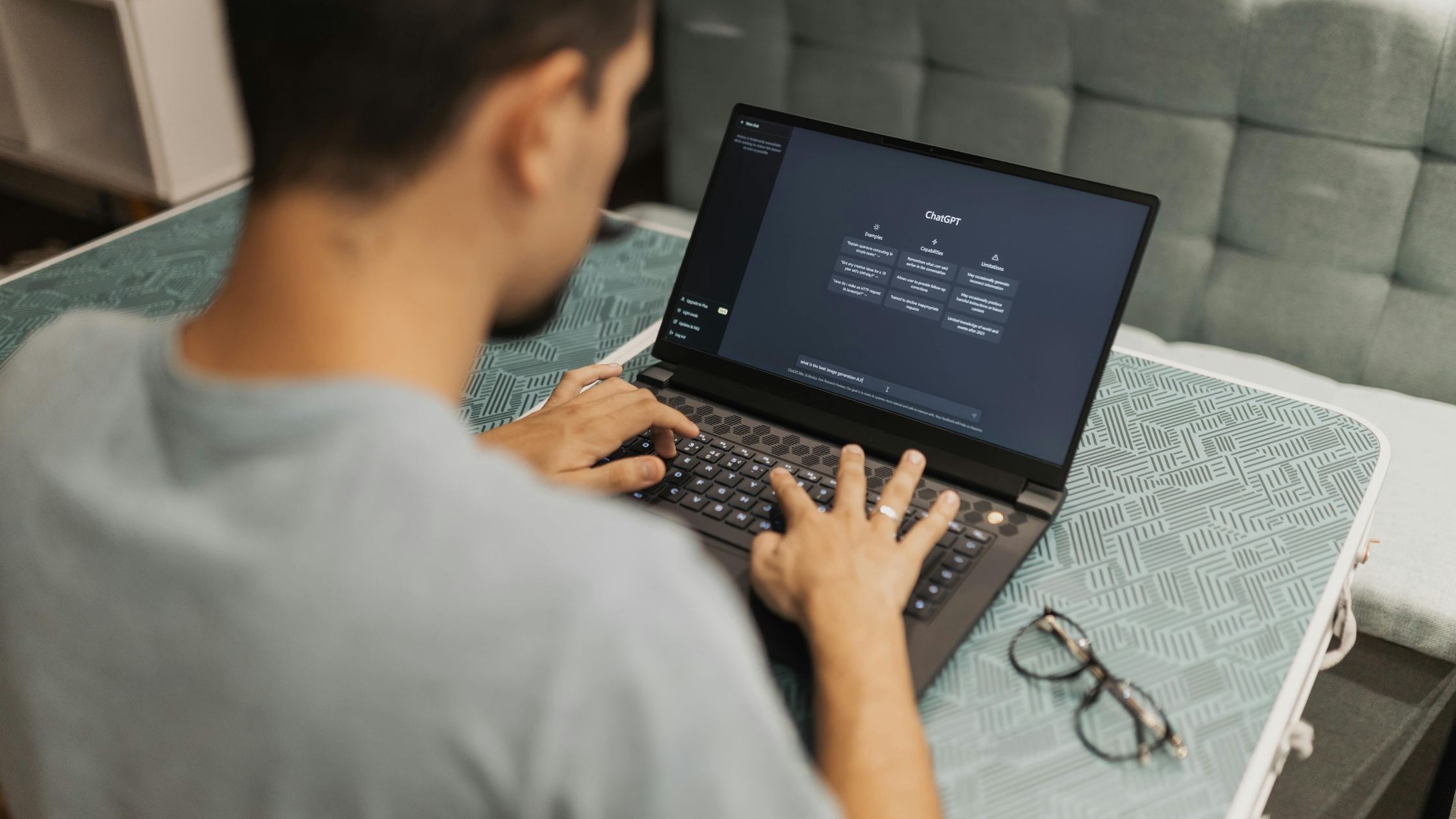
Artificial intelligence is becoming part of everyday life. From writing emails to planning vacations, tools like ChatGPT are helping people complete tasks more quickly than ever before. It is no surprise that some individuals are now wondering whether AI can also help them prepare legal documents during a separation.
If you are searching for an AI separation agreement in Ontario, you may also be considering online templates or AI-powered legal tools as a way to save time or reduce legal costs. While these tools can provide a helpful starting point, they also have important limitations. A separation agreement is one of the most significant legal documents you may sign, and relying solely on AI can create problems that may not become apparent until much later.
Understanding what AI can and cannot do is an important first step before deciding how to move forward.
What Is an AI-Generated Separation Agreement?
An AI-generated separation agreement is a document created with the assistance of artificial intelligence rather than being drafted by a lawyer. Some people use general AI platforms such as ChatGPT to generate clauses or ask legal questions, while others turn to websites that promise quick, automated agreements through online questionnaires.
These tools are designed to organize information and generate documents based on the details users provide. While they may produce language that appears professional, they cannot assess the unique legal and financial circumstances of your family or provide legal advice tailored to Ontario law.
As a result, an AI-generated document may look complete while overlooking important issues that could affect your rights long after the agreement is signed.
Can AI Legally Draft a Separation Agreement in Ontario?
There is no law preventing someone from using AI to help prepare a separation agreement. However, creating a document is very different from creating one that is appropriate, enforceable, and tailored to your circumstances.
A valid separation agreement in Ontario must meet certain legal requirements. Both parties should fully disclose their financial information, understand the terms they are agreeing to, and enter into the agreement voluntarily. If important information is missing or either party did not fully understand the agreement, there is a risk that parts of it could later be challenged.
Artificial intelligence cannot verify whether financial disclosure is complete, identify unfair terms, or determine whether an agreement reflects the intentions of both parties. Those are legal issues that require careful consideration beyond simply generating text.
Where AI and Online Templates Can Be Helpful
That does not mean AI has no place in the separation process. In fact, many people find these tools useful for learning about family law, organizing their thoughts, or preparing questions before meeting with a lawyer.
Someone considering an online separation agreement in Ontario may use AI to better understand common clauses, create a list of assets and debts, or prepare a summary of parenting arrangements they would like to discuss. These tools can also help explain legal terminology in plain language, making conversations with a lawyer more productive.
Used this way, AI can support the legal process rather than replace it. The key is recognizing that informational tools are not a substitute for legal advice.
The Risks of Relying on AI Alone
A separation agreement often addresses much more than simply dividing property. It may include parenting arrangements, decision-making responsibility, child support, spousal support, property division, debt allocation, tax considerations, and future dispute resolution. Every family’s circumstances are different, which is why a generic document may not adequately protect either party.
Artificial intelligence also relies on the information it receives. If a user leaves out important details or asks the wrong questions, the resulting agreement may omit critical provisions altogether. Unlike a lawyer, AI cannot identify missing information, ask follow-up questions, or recognize when an issue requires further discussion.
Another concern is that AI platforms may generate information that sounds confident but is incomplete, outdated, or inaccurate. Family law evolves over time, and separation agreements should reflect current Ontario law rather than general legal principles gathered from multiple jurisdictions.
Why Lawyer Review Still Matters
Even when spouses agree on most issues, having a lawyer review the final agreement can provide valuable protection. A lawyer can identify unclear language, explain legal consequences, and ensure the agreement reflects the intentions of both parties.
For example, a clause that appears straightforward may create unintended consequences if it is not drafted carefully. Ambiguous wording surrounding parenting schedules, support obligations, or property division can become a source of conflict months or even years after the agreement is signed.
Individuals searching for a separation agreement lawyer in Toronto are often not looking to create conflict. Instead, many simply want reassurance that the agreement they have reached is legally sound and unlikely to create avoidable problems in the future.
Independent legal advice also strengthens the agreement itself. When each party has the opportunity to receive legal advice before signing, it may reduce the likelihood of the agreement being challenged later.
Can ChatGPT Replace a Family Lawyer?
The growing popularity of AI has led some people to ask whether a ChatGPT divorce agreement can replace a lawyer entirely. While ChatGPT and similar tools can generate sample clauses or explain general legal concepts, they cannot provide legal advice or assess whether an agreement is appropriate for your specific circumstances.
Family law is highly fact-specific. Two families with similar assets may require very different agreements depending on parenting arrangements, income levels, future financial goals, or previous legal obligations. AI cannot evaluate those nuances in the same way an experienced family lawyer can.
Think of AI as a research tool rather than a legal professional. It may help you prepare for important conversations, but it should not be the final authority on decisions that could affect your finances or your family for years to come.
Making Informed Decisions About Your Separation Agreement
Artificial intelligence is changing the way people access information, and it will likely continue to play a growing role in the legal industry. Used appropriately, AI can help people become more informed and better prepared before meeting with a lawyer. However, when it comes to drafting a separation agreement that reflects your unique circumstances and protects your legal rights, professional guidance remains essential.
If you are considering using AI or an online template to prepare a separation agreement, Anthony Family Law can help you understand whether the document meets Ontario’s legal requirements and accurately reflects your intentions. Whether you need a complete agreement drafted or simply want an experienced family lawyer to review what you have already prepared, the team is here to provide practical guidance tailored to your situation. To learn more, contact Anthony Family Law at 647-933-2397 or [email protected].